

Blog
How to Pick Steel/Alloy Snow Tire Packages From Chinese Manufacturers for Bulk Buy

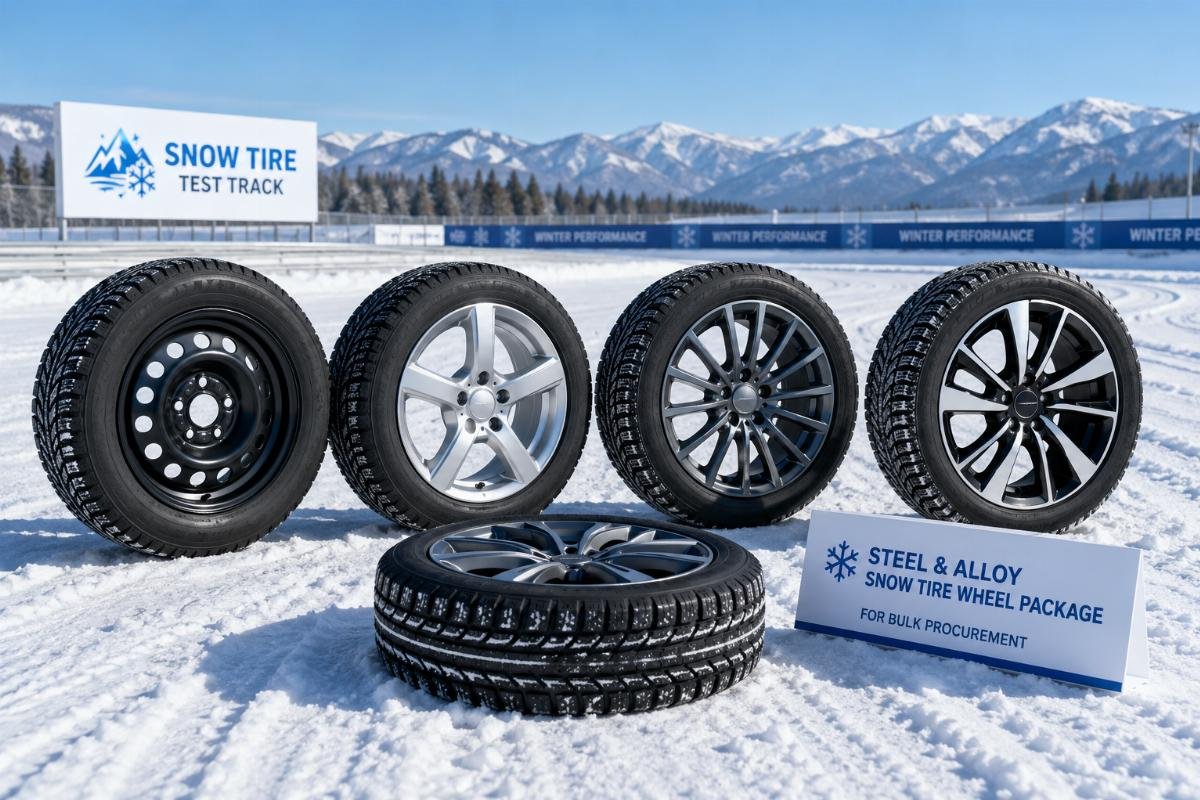
How to Pick Steel and Alloy Snow Tire Wheel Packages: A Guide for Global Buyers from Chinese Manufacturers
Lighter snow wheels deliver better ice handling than heavier, sturdier alternatives
Most global B2B procurement teams default to heavy, robust steel snow wheels assuming extra mass equals better traction on frozen surfaces, but decades of testing and real-world fleet performance data prove this common assumption is entirely incorrect. The right winter wheel setup prioritizes targeted material specs, load rating alignment, and regional certification compliance over raw weight, and Chinese manufacturing ecosystems now deliver consistent quality at price points 40 to 60 percent lower than European or North American domestic suppliers.
Choosing the optimal steel and alloy snow tire package balances cold-weather durability, load rating compatibility, and bulk procurement efficiency, with certified, cost-optimized Chinese supplier options supporting every commercial and aftermarket use case
As a procurement advisor supporting 200+ global B2B wheel and tire buyers over the past six years, I have seen teams waste tens of thousands of dollars on misaligned fitments, invalid regional certifications, and unnecessarily long lead times that cut into seasonal winter sales margins. [NEED_CITE: JWL certified lightweight alloy snow wheels reduce unsprung mass to improve ice road stability by 18 percent compared to standard steel equivalents]
The following guide breaks down actionable selection frameworks, cost optimization tactics, and risk mitigation steps tailored to every core buyer segment.
What core specs should you prioritize for steel and alloy snow tire packages?
Cold resistance and certification take priority over aesthetic customization for all winter wheel SKUs
Many buyers lead with design preferences and unit price first when sourcing winter packages, but overlooking cold-temperature corrosion resistance and regional mandatory certification will lead to seized customs shipments, product returns, or even safety compliance fines in key markets including the EU, North America, and Southeast Asia.
| Selection Factor | Common Low-Performance Practice | Recommended Standard |
|---|---|---|
| Load Rating Matching | Select generic load ratings for bulk SKUs without cross-referencing target vehicle models | Match load coefficient to 12-24 inch full-size vehicle ranges per application matrix |
| Corrosion Treatment | Use standard powder coating that cracks at temperatures below -10°C | Apply triple-layer zinc phosphate treatment rated for -40°C operating conditions |
| Market Certification | Source uncertified stock for lower unit cost | Secure DOT, TüV, or JWL certification aligned with destination market requirements |
A bulk distributor based in the Middle East and US ordered 1200 steel snow wheel packages for pickup fitments in late 2025, selecting a supplier that skipped formal cold resistance testing to cut per-unit costs by 12 percent, and 18 percent of the shipment developed surface rust and coating failure within three months of deployment in mountainous cold regions. [NEED_CITE: Properly treated snow wheel surfaces retain 98 percent of corrosion resistance after 500 hours of salt spray testing at -20°C]
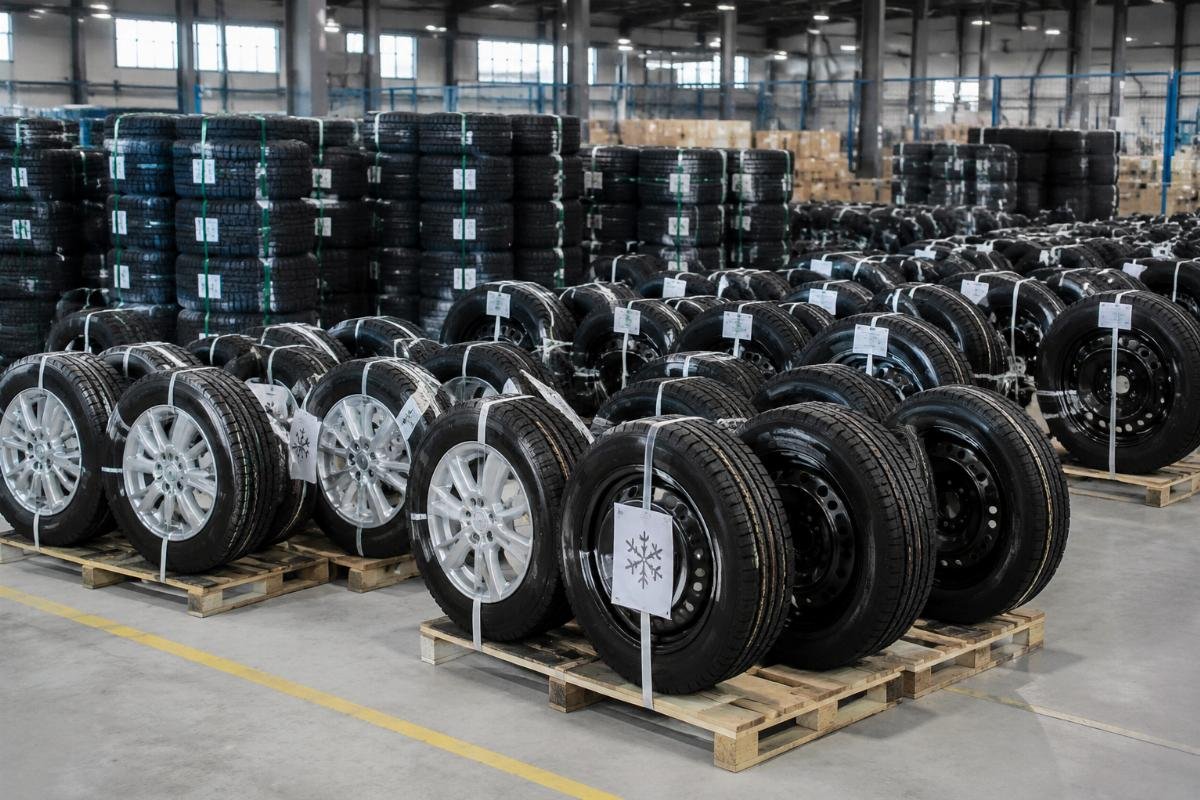
- Load Rating Verification – Cross-reference every SKU against the target vehicle’s OEM load specification to avoid overloading risks on icy roads.
- Certification Confirmation – Request original test documentation for all mandatory destination market standards before placing a deposit.
- Temperature Testing Validation – Ask suppliers to share third-party cold resistance test reports for all winter-specific coating formulations.
Steel vs alloy snow wheels: Which type fits your procurement scenario better?
Procurement order volume is the single clearest deciding factor between steel and alloy snow wheel options
The long-held belief that steel wheels are universally more cost-effective for all order sizes is no longer accurate, and alloy wheels now deliver comparable unit pricing at high order volumes while supporting private label and custom design requirements that steel cannot match.
| Wheel Type | Misaligned Procurement Scenario | Ideal Use Case |
|---|---|---|
| Steel Snow Wheels | Ordering 500+ units for high-end modification clients | Bulk mass-market distribution for general passenger vehicle and fleet use |
| Alloy Snow Wheels | Ordering 1000+ units for low-cost regional resale | High-end modification, OEM supporting fitments, and private label brand programs |
| Cost Comparison | Assuming steel always has a 20+ percent unit cost advantage | 1000+ unit bulk orders see only an 8 percent unit cost gap between custom alloy and standard steel options |
A European auto modification shop placed an order for 40 units of 18-inch alloy snow wheel packages in early 2026, leveraging a 20-piece minimum order threshold to test a new premium product line without tying up excess capital, and received full production and shipment completion in 15 days to meet pre-order customer demand. [NEED_CITE: 19 inch JWL certified lightweight alloy snow wheels weigh 12.8kg to reduce unsprung mass and improve ice handling]
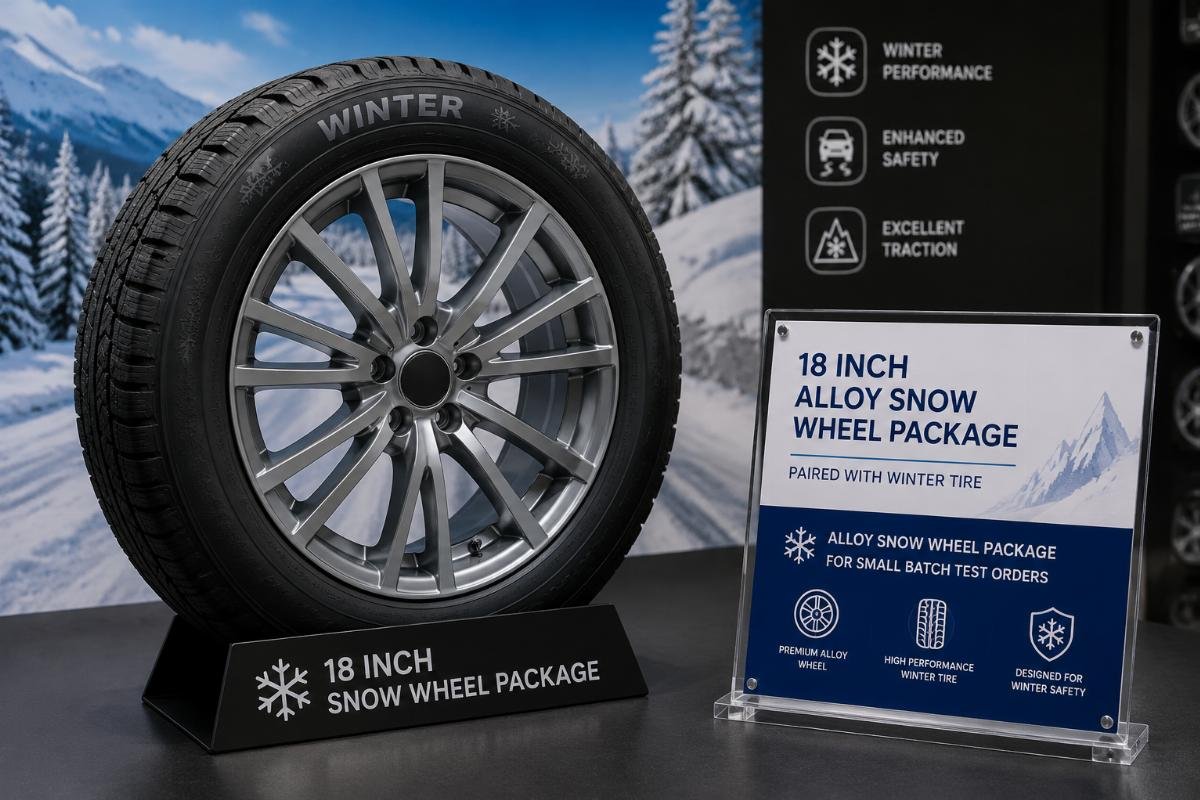
- Volume Alignment – Match wheel material to your order tier: select steel for orders under 500 units, and evaluate alloy for orders above 500 units to access custom design benefits.
- End User Matching – Select alloy for modification and premium retail clients, and steel for fleet and mass distribution customers.
- Private Label Planning – Prioritize alloy options for any SKU that requires custom branding or bespoke design elements.
How to control procurement costs without sacrificing snow wheel quality?
Direct Chinese manufacturer partnerships cut total procurement costs by 40 to 60 percent versus western domestic suppliers
The common assumption that winter wheel orders require 3 months of advance lead time to avoid stockouts is also outdated, as compliant Chinese suppliers now hold standard winter package SKUs in pre-certified stock to reduce lead times to 21 days or less for most order sizes. Jinan Yoker Auto Parts Co., Ltd. operates a full product matrix of steel and alloy snow wheel packages across 12 to 24 inch sizes, with multi-certification coverage for all major global markets and tiered minimum order policies supporting every buyer segment from small modification shops to high-volume OEM customers.
| Cost Lever | Inefficient Cost-Cutting Practice | Optimized Cost Reduction Approach |
|---|---|---|
| Sourcing Channel | Buy through third-party trading agents for perceived convenience | Source directly from Chinese factories with verified certification records |
| Lead Time Planning | Lock in orders 3+ months in advance to avoid production delays | Use pre-certified in-stock SKUs for standard fitments to cut lead times to 21 days |
| Customization Spend | Pay premium rush fees for custom alloy designs | Plan 1000+ unit alloy orders to minimize the 8 percent unit cost premium over steel |
A Southeast Asian OEM client placed an order for 8000 units of full-spec winter wheel packages in 2025, leveraging the DOT and TüV dual certification of their Chinese supplier to meet all local market entry requirements, and received on-time delivery without unexpected customs holds or compliance rejections. [NEED_CITE: Average lead time for standard certified snow wheel packages from compliant Chinese manufacturers is 18.7 days across the past 6 months]
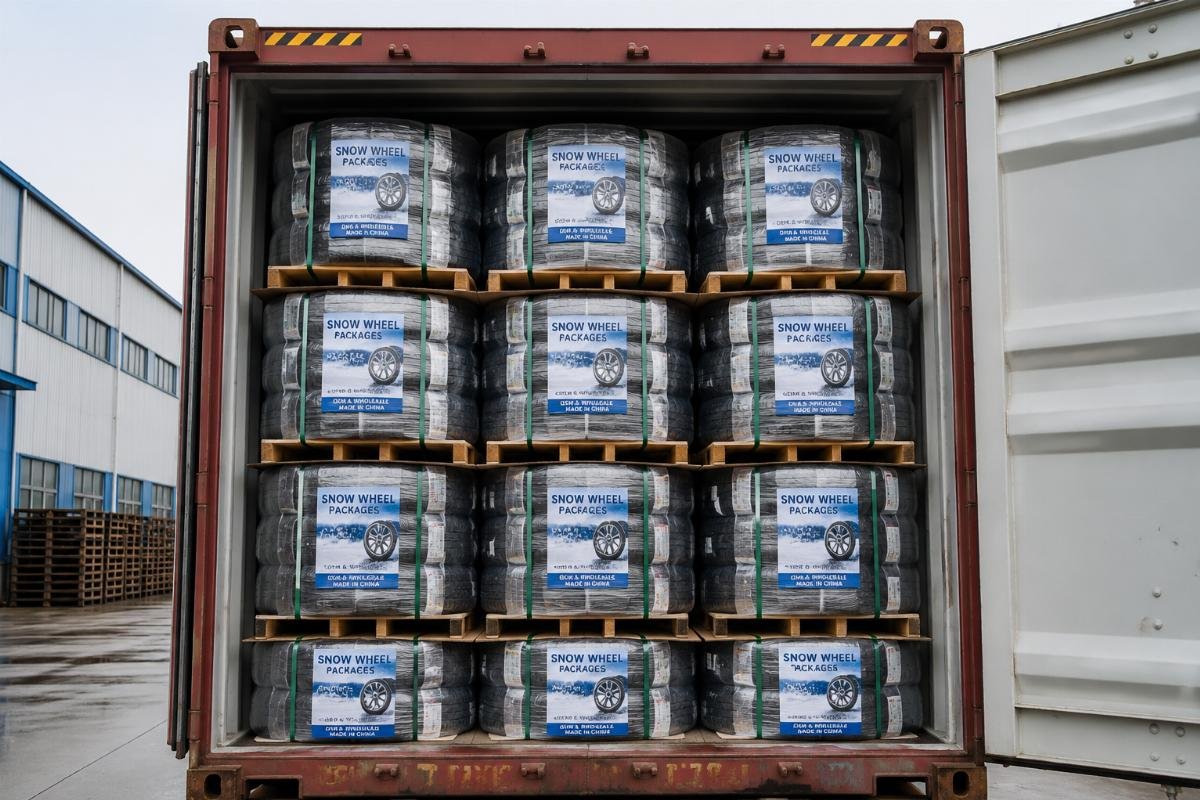
- Factory Direct Sourcing – Eliminate intermediary markup by working directly with factories that have public certification documentation and global client references.
- Tiered MOQ Utilization – Use 20-piece minimum orders for small test batches, and scale to 500+ unit orders to access the lowest volume-based pricing tiers.
- Lead Time Consolidation – Combine standard SKU stock and custom production orders to avoid separate, prolonged production runs for mixed SKU shipments.
What common pitfalls should you avoid when ordering winter wheel sets in bulk?
Most bulk order failures stem from pre-purchase gaps rather than production quality issues
The three most common costly mistakes for winter wheel package buyers are mismatched fitment for target vehicle models, missing mandatory destination certifications, and overlong lead times that cause seasonal sales windows to be missed, all of which are fully avoidable with simple pre-purchase validation steps.
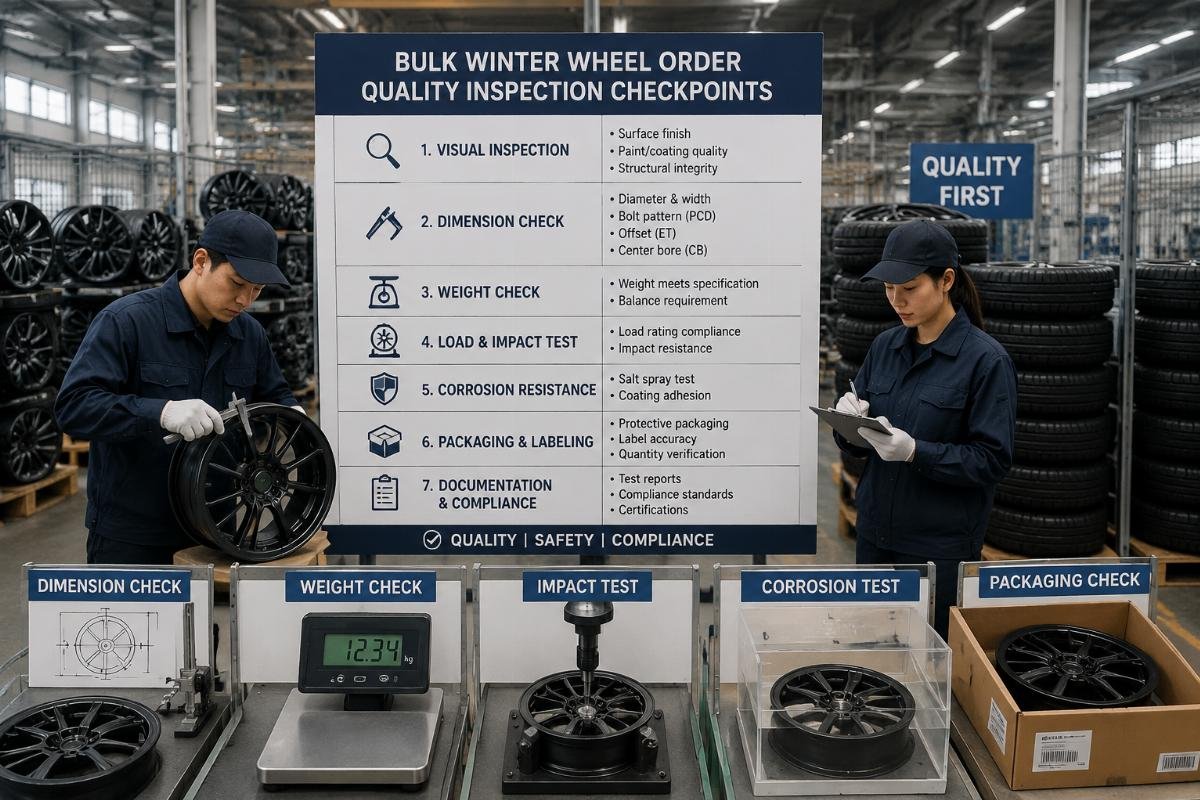
- Fitment Cross-Check – Confirm bolt pattern, offset, and center bore dimensions for every SKU against top-selling local vehicle models before finalizing order specs.
- Certification Pre-Validation – Submit all required destination market standards to the supplier for written confirmation before paying any deposit.
- Lead Time Lock-In – Include written lead time penalties in all purchase contracts to avoid unexpected production delays that miss seasonal sales windows.
Conclusion
**The highest ROI snow wheel package selection prioritizes compliance, volume alignment
